

BUDDHISM INTO THE YEAR 2000 : ค้นหาหนังสือธรรมะ หน้า 104 / 127
หน้าหนังสือทั้งหมด
199
Lessons from the Lord Buddha on Conflict Resolution
3) When the Lord Buddha was confronted by a furious elephant (similar to a frantic person), His solution was to spread loving kindness. In short, when people receive and are moved by loving kindness,
This text highlights the Buddha's approach to handling conflict, using love and understanding as tools for resolution. In facing a furious elephant, He spread loving kindness to expand hearts and fost
86
Understanding Life After Death and the Concept of 'The Face'
Yield be the wrongdoer to the full extent of the body, the heart of yourself and the certainty. in the way people with mental diseases with an evil spirit, with no story of unnatural events, because b
เนื้อหานี้กล่าวถึงความสำคัญของชีวิตหลังความตายและคำว่า 'หน้า' ที่มีความหมายแตกต่างกัน 2 ประการ คือ 1) ชีวิตหลังความตาย ซึ่งหมายถึงสภาวะที่ร่างกายไม่อยู่ในที่เดิมเมื่อเสียชีวิต แต่ซากศพจะไปอยู่ในที่ใหม
50
YUWA CAMP Final Orientation and Awards
Final orientation
Before the camp discharges, YUWA CAMP participants attend the final orientation during which they are exhorted by priest instructors into behave themselves at home as they were train
Before concluding the YUWA CAMP, participants receive a final orientation emphasizing their behavior at home consistent with training. They are encouraged to connect with priest instructors and mentor
55
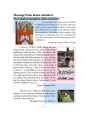
Experiences at YUWA CAMP
Message from house members
Yuwakalyanamitra club members
I can meditate for longer hours at yuwa CAMP than at my house. Anyone who is the only child can also get friends, brothers and sisters here. Mo
At YUWA CAMP, members of the Yuwakalyanamitra club share their enriching experiences of meditation, friendship, and learning. They've found a supportive atmosphere conducive to meditation, enjoying th

84
The image appears to be divided into two sections showing groups of Buddhist monks in different settings and formations, but there are no visible readable characters or text in either section of the i
5
Understanding the Dynamics of the New Middle East
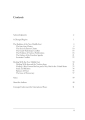
Contents
Acknowledgments iv
A Changed Region 1
The Realities of the New Middle East 4
The Iran–Iraq Cluster 4
The Syria–Lebanon Cluster 10
The Israeli–Palestinian Conflict 14
The Problem of Nuclear P
This text examines the transformed landscape of the Middle East, analyzing key conflicts in regions such as Iran-Iraq, Syria-Lebanon, and the Israeli-Palestinian conflict. It addresses crucial issues
7
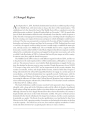
A Changed Region: The Transformation of the Middle East Post 9/11
A Changed Region
After September 11, 2001, the Bush administration launched an ambitious policy to forge a new Middle East, with intervention in Iraq as the driver of the transformation. "The establi
This analysis reflects on the changes in the Middle East following the events of September 11, 2001, highlighting the ambitious policies of the Bush administration aimed at establishing democracy and
9
Challenges of U.S. Policy in the Middle East
security was completely overshadowed by belligerent White House statements that U.S. policy toward Iran would remain unchanged, raising the specter of war. Although analysts agreed that the NIE’s conc
The U.S. faces significant challenges in the Middle East with three clusters of countries: Iran-Iraq, Lebanon-Syria, and the Palestinian-Israeli conflict. The ongoing tensions with Iran, alongside U.S
10
The Reality of the New Middle East
The Reality of the New Middle East
The first step toward the formulation of a new policy is to understand the realities of the new Middle East as it is now. The three clusters of countries — Iran–Ira
The new Middle East is defined by three country clusters: Iran–Iraq, Lebanon–Syria, and Palestine–Israel, intertwined with issues such as nuclear proliferation and sectarianism. The U.S. faces not jus
12
Political Dynamics in Iraq Post-2007
the United States during 2007 has helped reduce violence, there has not been any corresponding political progress. Different Iraqi political figures and forces have competing and often changing vision
Post-2007, the United States achieved a reduction in violence in Iraq, yet significant political progress remains elusive. Iraqi political factions hold varying visions for the nation's future, with t
15
Iran's Strategic Influence in Post-Saddam Iraq
which ended conclusively with a UN-mandated cease-fire and eventually a return to the status quo, made it very clear that neither country could break the balance of power. By removing Saddam Hussein,
This text discusses the significant changes in the balance of power in the Middle East following the U.S.-led invasion of Iraq and the subsequent rise of Iranian influence in the region. The removal o
16
The Complex Relationship Between the U.S. and Iran
to be cooperative on its own terms and for its own interests, but this does not mean that the United States is in a strong position to push Iran to comply with its requests, particularly at present. T
This text explores the multifaceted relationship between the United States and Iran, emphasizing the challenges faced by U.S. military policy amidst high oil prices and ongoing conflicts. It discusses
26
The Complex Dynamics of Iran's Nuclear Aspirations
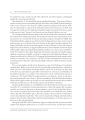
"choose your own future and win your freedom."2 To make matters worse, in September 2006 the U.S. Congress passed the Iran Freedom Support Act, which imposed mandatory sanctions on entities that suppl
The text discusses Iran's unwavering commitment to its nuclear program, spurred by various factors, including U.S. sanctions, the Iraq war, and surging oil prices. Despite hints of military action fro
28
The New Middle East: Democracy vs. Stability
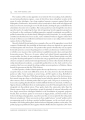
22 THE NEW MIDDLE EAST
few, limited in scope, carried out only when allowed by incumbent regimes, and dropped quickly when governments objected.
After September 11, President Bush openly repudiated th
This text discusses the shift in U.S. foreign policy in the Middle East following the September 11 attacks. President Bush's declaration of aligning American values of freedom and security contrasted
30
The Dynamics of Secular and Islamist Parties in Arab Politics
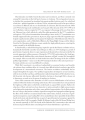
The weakness of the secular opposition is not entirely of its own making. Arab authoritarian and semi-authoritarian regimes—many of which have been ruling their societies in the name of secular ideolo
In Arab societies, secular opposition has struggled against longstanding authoritarian regimes that repress liberal ideologies, while conservative social attitudes limit their political expression. A
33
Discontent and Political Activism Among Shi’i Minorities
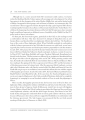
Discrimination inevitably breeds discontent and resentment, and those certainly exist among Shi’i minorities in the Gulf and, of course, in Lebanon. The real question, however, is whether this resentm
The text examines the roots of resentment among Shi’i minorities in the Gulf and Lebanon, noting its implications for political activism. Discrimination and resentment have led to instances of violenc
34
Iran and Sunni Relations in the Middle East
Although Iran is a center around which Shi’i resentment could coalesce, two factors reduce the likelihood that the Tehran regime will encourage such a development. One is that Iran aspires to be the c
The complexities of Iran's relationship with Sunni states underscore the ongoing challenges in Middle Eastern diplomacy. Iran seeks to be a leader in the region, supporting not only Shiite factions bu
36
Dealing With the New Middle East
Dealing With the New Middle East
The Bush administration's attempt to shape a new Middle East has been a major factor in the emergence of the new and extremely problematic realities we have discussed
The Bush administration's policies have complicated the realities in the Middle East. A new approach is needed, prioritizing diplomacy and a clear understanding of U.S. limits in the region. Confronta
37
U.S. Foreign Policy in the Middle East: Fostering Stability and Addressing Security Challenges
policy in Iraq and of the Palestinian–Israeli peace process. The United States needs to recognize that terrorism is not the result of blind hatred of Western civilization, as the Bush administration i
This text argues that U.S. policies in the Middle East must shift to address underlying political issues to effectively curb terrorism and ensure oil flow. It outlines critical tasks for U.S. engageme
39
Strategic Engagement and Policy Reform in Iraq
To be sure, engagement offers no guarantees of success. It is the Iranian government that ultimately must make a strategic decision to change its own policies. The best thing Washington can do is main
This text discusses the necessity for strategic dialogue between the U.S. and Iran, emphasizing the importance of Iran's willingness to modify its policies. It asserts that the U.S. should provide Ira